
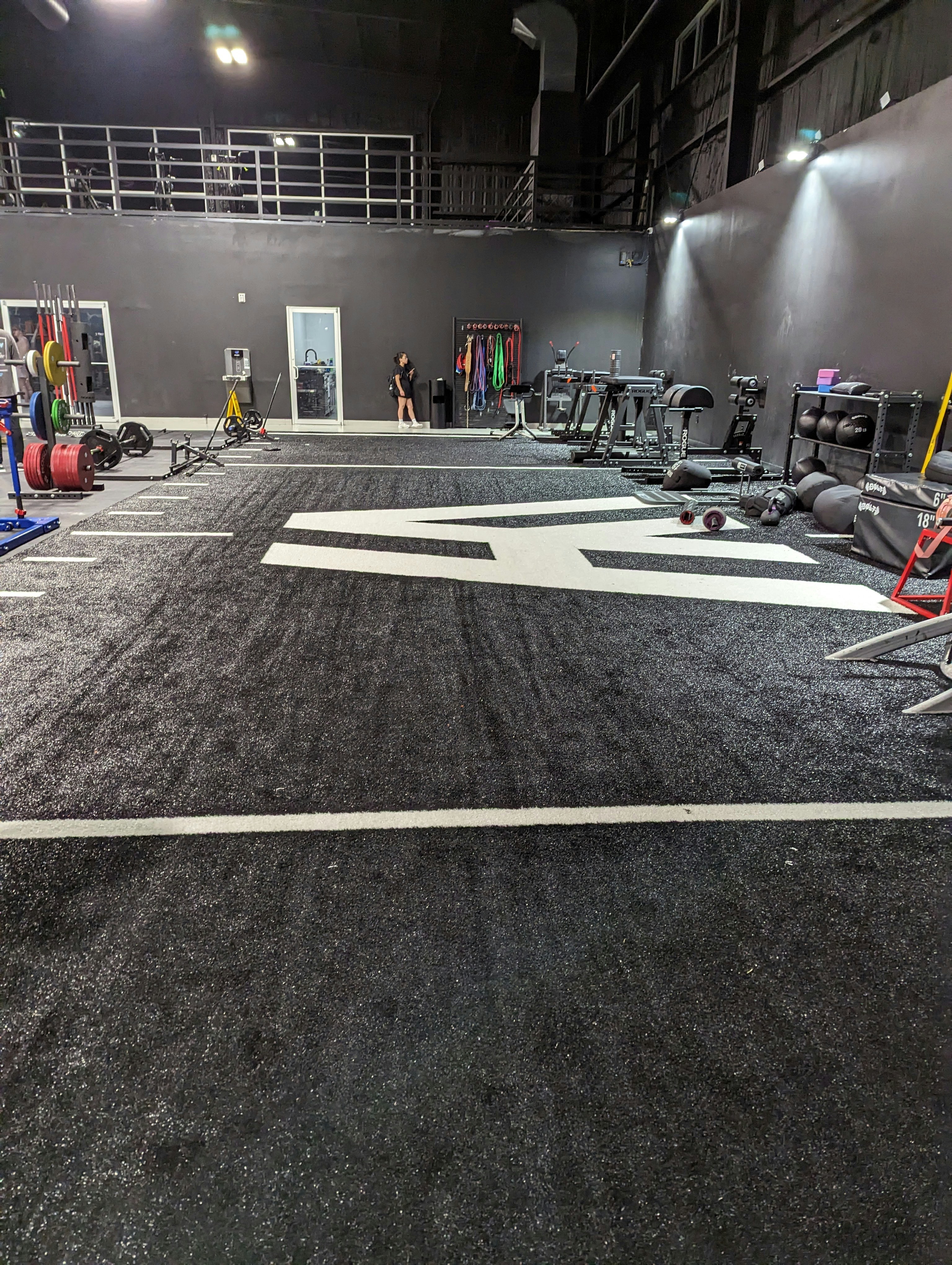
Introduction: The Need for Quick and Effective Workouts
In today’s fast-paced world, busy professionals often face the challenge of balancing work responsibilities with the need to prioritize health and fitness. With increasingly demanding schedules, finding time for regular workouts has become a significant hurdle for many. However, incorporating exercise into a hectic routine is not only essential for physical well-being but also crucial for maintaining mental clarity and reducing stress levels.
Fitness plays an influential role in overall productivity and wellness. Engaging in regular physical activity can enhance mood, improve focus, and boost energy levels, all of which contribute to better performance in both personal and professional endeavors. Thus, it is important for busy individuals to recognize that even short bursts of exercise can yield substantial benefits.
The concept of a 15-minute workout emerges as a practical solution for those grappling with time constraints. These quick and efficient sessions can be seamlessly integrated into daily routines, whether it is during a break at the office, before the workday begins, or in the comfort of one’s home. The primary aim is to create a sustainable fitness routine that does not overwhelm a busy lifestyle but instead fits neatly into existing schedules.
Moreover, a 15-minute workout can serve as an excellent way to relieve stress, clear the mind, and enhance overall well-being. By dedicating just a quarter of an hour to physical activity, professionals can take a significant step toward not only their fitness goals but also their mental health. The importance of such workouts cannot be underestimated, as they provide an accessible and realistic path to achieving a healthier lifestyle amidst the demands of everyday life.
Key Benefits of Short Workouts
In today’s fast-paced world, where time is often a luxury, short workouts have emerged as an effective solution for busy professionals. Scientific research supports the numerous advantages these concise exercise sessions offer, making them increasingly popular among individuals with hectic schedules.
One of the primary benefits of short workouts is the significant increase in energy levels. Engaging in brief bursts of physical activity stimulates the release of endorphins, commonly known as “feel-good” hormones. This boost in mood and energy can be instrumental in enhancing productivity throughout the day. It has been noted that even a 15-minute workout can invigorate the mind and body, allowing individuals to tackle tasks with renewed vigor and focus.
Additionally, short workout sessions contribute to improved concentration and cognitive function. Studies indicate that regular physical activity enhances blood flow to the brain, which in turn fosters better decision-making and creative thinking. For professionals who may find themselves battling mental fatigue during long hours at work, incorporating quick exercise routines can serve as a potent antidote.
Moreover, short workouts have been linked to improved cardiovascular health. Research signifies that short, high-intensity exercises can be as beneficial as longer, conventional workout routines for heart health. This is significant for busy individuals who might struggle to find an hour or more for traditional workouts but can easily commit to 15 minutes of intensive activity, which can elevate heart rates and promote efficient circulation.
In conclusion, embracing short workouts provides a myriad of benefits, from increased energy and focus to enhanced cardiovascular health. For busy professionals aiming to integrate fitness into their daily lives, these compact exercise sessions prove to be a practical and science-backed solution.
Getting Started: Preparation for Your Home Workout
Preparing for a 15-minute home workout is essential for busy professionals seeking to incorporate fitness into their fast-paced lives. The initial step involves selecting a dedicated space within your home that can serve as your workout area. This space should be free from distractions, equipped with adequate lighting and enough room to perform various exercises. Ideally, it should be close to your everyday environment, allowing for ease of access and reducing the likelihood of skipping your workout due to time constraints.
Furthermore, the choice of attire plays a significant role in the effectiveness of your home workout. Opt for comfortable, breathable clothing that allows for a full range of motion. This will not only make your workout more enjoyable but will also prevent unnecessary distractions that could arise from uncomfortable outfits. Additionally, consider investing in a good pair of workout shoes, as they provide the necessary support and stability during your routine.
Timing is another critical factor in preparing for your workout. Identify specific times during your day when you can dedicate 15 uninterrupted minutes to exercise. Whether it’s early morning before your workday begins, during a lunch break, or in the evening to unwind, consistency is vital. Setting a recurring schedule will not only help you stick to your plan but will also allow your body to adapt to this newfound routine.
Lastly, planning your exercises in advance can enhance the efficiency of your session. Decide on the type of exercises you want to perform, whether they focus on strength, cardio, or flexibility, to maximize the benefits within this limited timeframe. With a solid preparation strategy, incorporating a 15-minute home workout into your busy schedule becomes achievable and rewarding.
Step-By-Step 15-Minute Workout Routine
This 15-minute workout routine is designed specifically for busy professionals who need an efficient way to stay fit without requiring any equipment. The exercises included are simple and target various muscle groups, offering a full-body workout that can be performed in the comfort of your own home.
Begin with a 2-minute warm-up to prep your muscles. Perform jumping jacks or simply march in place to increase your heart rate gradually. After warming up, you can move directly to the first exercise.
1. Bodyweight Squats (1 minute):
Stand with feet shoulder-width apart, lower your body as if sitting back in a chair, keeping your knees aligned over your ankles. Rise back up to standing. Repeat this for one minute, maintaining form to engage your leg muscles effectively.
2. Push-Ups (1 minute):
Begin in a plank position, ensuring that your hands are beneath your shoulders. Lower your body towards the ground while keeping your core tight. Push back up to the starting position. Modifications can include performing the exercise on your knees if needed.
3. Plank (1 minute):
Transition directly into a plank position. Hold this position, focusing on maintaining a straight line from your head to your heels. This exercise strengthens your core while also engaging your shoulders and back.
4. Lunges (1 minute):
Step forward with one leg, lowering your hips until both knees are bent at a 90-degree angle. Push back up to the starting position and alternate legs. This movement enhances balance and leg strength.
5. Glute Bridges (1 minute):
Lie on your back with knees bent and feet flat on the ground. Lift your hips towards the ceiling, squeezing your glutes at the top, and then lower back down. This exercise targets your posterior chain.
6. Cool Down (2 minutes):
Finish with light stretching, focusing on areas that feel tense. Stretch your arms, legs, and back to promote recovery.
The outlined routine can be cycled through, giving you a comprehensive workout within a short time frame. Each exercise flows into the next, ensuring that transitions are smooth and beginner-friendly, making it ideal for busy individuals looking to maintain their fitness efficiently.
Calorie-Burning Estimates for Each Exercise
Understanding the calorie-burning potential of various exercises is essential for busy professionals aiming to maximize their workout efficiency during limited time slots. Here we provide estimates of calories burned for each exercise featured in the 15-minute home workout, allowing individuals to gauge the effectiveness of their efforts.
Jumping Jacks: This full-body exercise promotes cardiovascular fitness while burning approximately 8-10 calories per minute. An average 3-minute session can effectively yield a burn of about 24-30 calories, contributing significantly to a short workout regimen.
Bodyweight Squats: Engaging major muscle groups, bodyweight squats can burn around 5-8 calories each minute, depending on the intensity and speed. Completing this exercise for 3 minutes may result in approximately 15-24 calories expended, making it a powerful choice for increasing calorie burn.
Push-Ups: A staple in strength training, push-ups engage multiple muscle groups. They can burn about 5-7 calories per minute, which translates to a calorie expenditure of roughly 15-21 calories for 3 minutes of continuous effort.
High Knees: This dynamic exercise elevates the heart rate. A 3-minute interval can help burn around 10-12 calories each minute when performed at a vigorous pace, summing up to roughly 30-36 calories in total.
Planks: While isometric exercises like planks burn fewer calories, they still contribute gently. On average, holding a plank can burn around 3-5 calories per minute, totaling about 9-15 calories for a 3-minute duration.
Adding these exercises to a consistent workout schedule can lead not only to improved fitness but also to effective calorie expenditure, proving that even brief sessions provide a substantial impact. The overall caloric burn during this 15-minute workout can sum up to a significant total, reinforcing the effectiveness of short but intense training routines.
Creating Your Weekly Workout Schedule
In order to effectively incorporate a 15-minute home workout into the daily lives of busy professionals, a structured weekly workout schedule is essential. The following sample schedule offers a straightforward plan that can be tailored based on individual fitness levels, preferences, and availability.
For optimal results, it is advisable to aim for at least **three to five sessions** of 15-minute workouts per week. This approach ensures that the body remains active while also allowing enough time for recovery. For instance, a sample week could include high-intensity workouts on Monday, Wednesday, and Friday, with a focus on strength training and cardiovascular exercises. On Tuesday and Thursday, the workouts might shift to flexibility and core strengthening exercises, such as yoga or pilates.
Furthermore, weekends can serve as a great opportunity to either engage in a lighter workout or to take a complete rest day, depending on how one feels. Individuals with more demanding schedules may choose to allocate shorter workouts on days when time is more constrained, adjusting the intensity accordingly.
It’s important to listen to your body when establishing your workout rhythm. For beginners, starting with three sessions a week may be more manageable, progressively increasing the frequency as fitness improves. Advanced individuals can incorporate more diverse exercises into their routine or even consider back-to-back sessions on some days.
As fitness levels evolve, it’s beneficial to revisit and adjust your workout schedule periodically. This not only keeps the routine fresh but also ensures continual progress toward fitness goals. Ultimately, the key is to maintain consistency while also allowing flexibility to adapt the schedule as personal commitments and energy levels fluctuate.
FAQs: Addressing Common Concerns
When considering a 15-minute home workout, many individuals have questions regarding its efficacy, modifications, motivation, and overall impact. This FAQ section aims to answer some of the most frequent concerns.
1. Is a 15-minute workout effective for weight loss?
Yes, a focused 15-minute workout can contribute to weight loss, particularly when combined with a balanced diet. Short-duration high-intensity interval training (HIIT) can elevate your heart rate and promote fat burning even after exercise has concluded. It is important, however, to ensure that these workouts are challenging enough to stimulate your metabolism.
2. How can beginners modify the exercises?
Modifications are crucial to accommodate various fitness levels. Beginners can opt for low-impact versions of exercises or reduce the intensity and duration of each workout. For instance, those new to strength training may start with bodyweight exercises before gradually incorporating weights.
3. What if I lack motivation to stick to the routine?
Staying motivated can be challenging. Setting specific, achievable goals can help maintain focus. Additionally, finding a workout buddy or tracking your progress through an app can enhance accountability. Consider varying your routine to keep it fresh and engaging.
4. How can I integrate this workout into a busy schedule?
The beauty of a 15-minute home workout is its flexibility. You can schedule it during a lunch break, right after waking up, or even in the evening. Consistency is key, so find a time that works best for your daily routine and prioritize it.
Ultimately, addressing these concerns can help you fully engage with the 15-minute workout, making it a practical and effective choice for busy professionals looking to maintain their fitness levels.
Real-Life Success Stories
In a world where time is often perceived as a luxury, many busy professionals have discovered that a dedicated 15-minute workout can significantly enhance both their physical health and overall productivity. These real-life success stories are a testament to how integrating just a quarter of an hour into daily routines can create a substantial impact, providing inspiration for others to embark on a similar fitness journey.
One such individual, John, a marketing executive, shares his experience: “With a hectic schedule filled with meetings and client presentations, finding the time to hit the gym felt impossible. After learning about the 15-minute home workout, I decided to give it a shot. I was astonished by how much I could achieve in just a short period. I focused on high-intensity interval training, and within weeks, I noticed a significant boost in my energy levels and mental clarity.” John’s story highlights how micro-workouts can be efficiently fit into even the busiest schedules.
Similarly, Sarah, a software developer, recounts her journey: “As someone who often worked late into the evening, I initially thought I couldn’t make time for exercise. However, I started with a simple routine that I could perform at home during my lunch breaks. The 15-minute workout not only helped me stay active but also served as a refreshing break from screen time. Moreover, I now feel more focused and productive in my work.” Sarah’s experience emphasizes the role of quick workouts in enhancing not just physical fitness but also mental well-being.
These narratives exemplify the transformational power of committing just 15 minutes a day to fitness. They serve as motivational stories for professionals who might feel they lack the time or resources to engage in regular exercise. By implementing concise and effective workouts, individuals can experience remarkable results without overhauling their busy lives.
Conclusion: Commit to Your Health in Just 15 Minutes a Day
In today’s fast-paced world, finding time to prioritize one’s health can seem like a daunting task. However, dedicating just 15 minutes a day to a focused workout can yield substantial health benefits, particularly for busy professionals. These brief yet effective sessions can enhance physical fitness, reduce stress, and improve overall wellbeing without the need for extensive time commitments or costly gym memberships.
Research has shown that short bursts of exercise can be just as effective as longer workouts, especially when done consistently. Activities such as bodyweight exercises, quick cardio, or even stretching can boost cardiovascular health, build muscle strength, and contribute to weight management. For professionals with demanding schedules, these quick workouts can easily fit into the daily routine, whether it is during a lunch break or before starting the day.
Moreover, the mental benefits of committing to a daily workout cannot be understated. Regular physical activity is known to improve mood, increase energy levels, and enhance concentration. By incorporating a 15-minute workout into your schedule, you are not only investing in your physical health but also your mental resilience. This balance is crucial for maintaining productivity and performance in high-stress work environments.
We encourage readers to take the challenge of integrating this brief yet effective exercise routine into their daily lives. Commit to just 15 minutes a day and experience the positive transformations that come with it. Remember, even the shortest workout can lead to significant improvements in health and wellness over time. Make this a regular part of your life; your body and mind will thank you for it.