
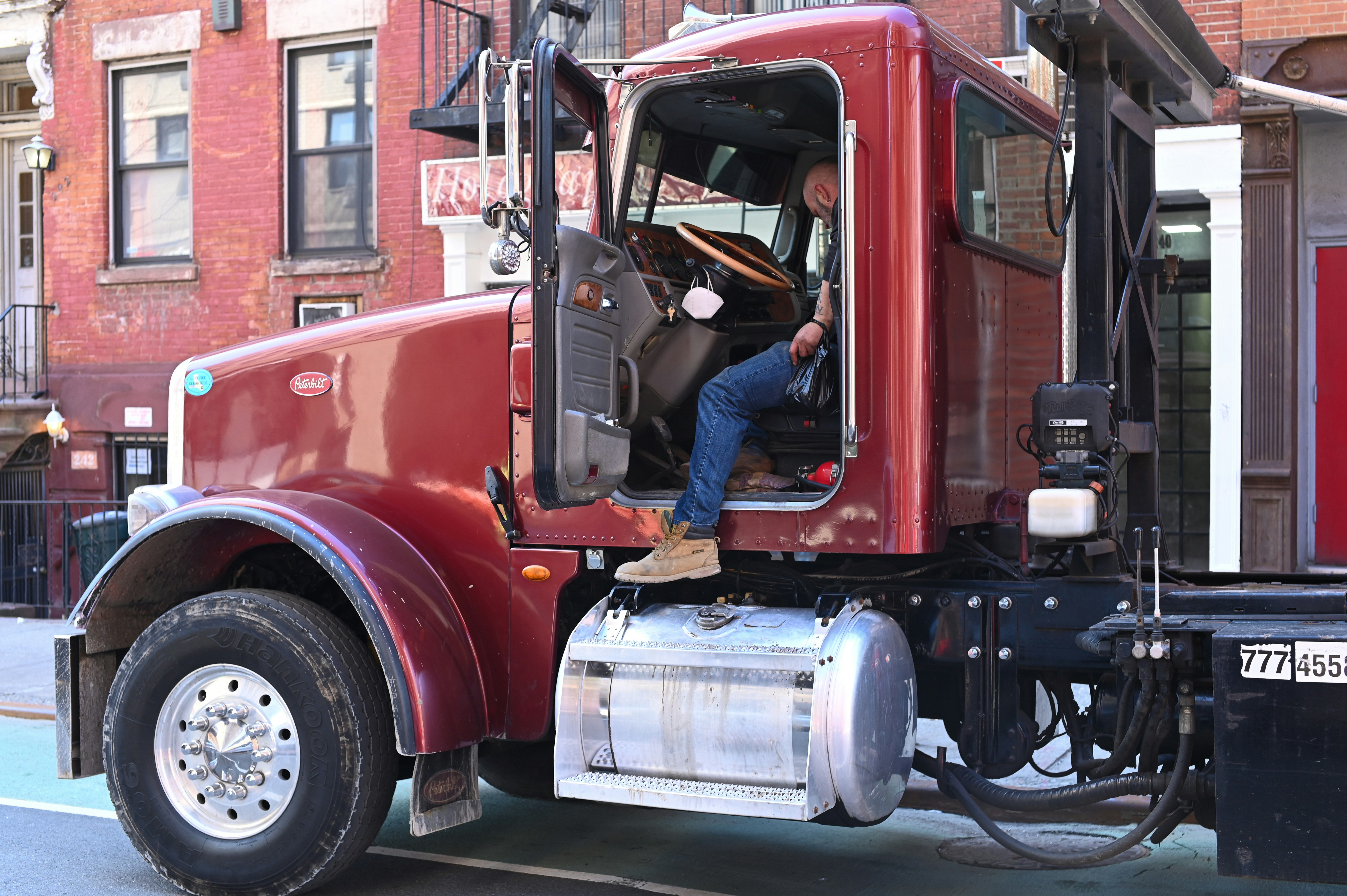
Introduction: The Importance of Fitness for Truck Drivers
Truck drivers play a pivotal role in the supply chain, undertaking long hours on the road to ensure goods are delivered in a timely manner. However, the nature of their profession presents unique challenges that can negatively impact their physical health and overall well-being. Due to extended periods of sitting, many truck drivers experience a sedentary lifestyle that can lead to weight gain, cardiovascular issues, and reduced flexibility.
Furthermore, the irregular hours and busy schedules of truck driving can often lead to poor eating habits. Access to healthy meal options becomes limited, prompting drivers to rely on fast food or convenience store snacks, which are typically high in calories and low in nutritional value. This dietary pattern, combined with minimal physical activity during long-haul trips, contributes to health problems that drivers may overlook during their daily routines.
Maintaining fitness on the road is not just a matter of physical appearance; it is essential for both physical and mental well-being. Regular exercise can help combat the adverse effects of a sedentary lifestyle by improving cardiovascular fitness, enhancing muscle strength, and boosting overall energy levels. Additionally, engaging in physical activity can alleviate stress and promote better mental health, providing drivers with the capacity to handle the demands of their job.
Considering the specific challenges faced by truck drivers, it becomes increasingly important to integrate fitness into their daily lives. Implementing simple exercise routines and healthier eating strategies can foster improvements in health outcomes, thereby ensuring drivers remain fit and capable of performing their duties effectively.
Common Health Issues Faced by Truck Drivers
Truck drivers play a vital role in the economy, yet their profession exposes them to numerous health challenges primarily due to a sedentary lifestyle combined with long hours on the road. One of the most alarming health issues faced by truck drivers is obesity. According to the CDC, nearly 86% of long-haul truck drivers are classified as overweight or obese. This statistic is alarming and highlights the lack of access to healthy food options while traveling, along with limited opportunities for physical activity.
Cardiovascular diseases are another significant concern for truck drivers. Studies indicate that drivers often have higher rates of hypertension, high cholesterol, and coronary heart disease when compared to the general population. The American Heart Association reports that long periods of inactivity can lead to poor circulation, partially contributing to the high incidence of these health issues amongst this demographic.
Back pain is also prevalent, often attributed to sitting for extended periods without proper ergonomic support. A report from the National Institute for Occupational Safety and Health (NIOSH) found that up to 50% of truck drivers report lower back pain, affecting their ability to perform their jobs effectively. Poor ergonomics, combined with the physical demands of loading and unloading cargo, exacerbate this issue. Furthermore, irregular sleep patterns and stress contribute to overall poor health outcomes for many drivers.
Engaging in regular exercise can significantly mitigate these risks. Physical activity not only aids in weight management but also helps bolster cardiovascular health and improve muscular strength, which is particularly important for reducing back pain. By recognizing these common health issues, truck drivers can target their fitness efforts, ultimately enhancing their well-being on the road.
Effective Exercises for Truck Drivers
Staying fit while on the road is vital for truck drivers, given the sedentary nature of their job. Here are some effective exercises that drivers can incorporate into their daily routines, focusing on strength, flexibility, and cardiovascular health.
1. Seated Leg Lifts
This exercise can be performed while sitting in the truck’s cabin. Begin by sitting back in your seat with your feet flat on the floor. Straighten one leg out in front of you, holding it for a count of five before lowering it back down. Perform this exercise for 10-15 repetitions on each leg. This movement strengthens the quadriceps and promotes blood circulation, essential for long hours of driving.
2. Chest Stretch
To improve flexibility, drivers can engage in a simple chest stretch. Sit up straight in your seat, clasp your hands behind your back, and gently pull your shoulders back while pushing your chest forward. Hold this position for 15-30 seconds. This exercise helps combat the hunched posture many drivers adopt and enhances upper body flexibility.
3. Tricep Dips
Tricep dips can be done using the edge of a sturdy truck step. Stand in front of the step, facing away from the truck. Rest your palms on the edge of the step with your fingers pointing forward. Lower your body by bending your elbows until your arms create a 90-degree angle, then push back up. Aim for 10-15 repetitions. This exercise effectively targets the tricep muscles and can be easily integrated into routine stops.
4. Side Lunges
Side lunges help develop leg strength and improve flexibility. Stand with your feet shoulder-width apart. Step to the side with one leg, bending that knee while keeping the opposite leg straight. Return to the starting position and switch sides. Perform 10 lunges on each side. This movement engages the inner and outer thighs, crucial for maintaining stability while driving.
By regularly incorporating these exercises, truck drivers can enhance their strength, improve flexibility, and maintain cardiovascular fitness, all from the convenience of their job environment. Whether during breaks or after a long driving stint, these activities support overall health and well-being.
Stretches for Lower Back Pain Relief
Lower back pain is a prevalent issue among truck drivers due to prolonged sitting and limited movement while on the road. Incorporating targeted stretches can significantly alleviate discomfort and improve flexibility. Here are a few effective stretches that can be performed with minimal space:
1. Seated Forward Bend
Sit at the edge of your seat with your feet flat on the floor. Inhale deeply, raising your arms overhead. As you exhale, hinge at the hips and gently lean forward, reaching toward your toes. Hold this position for 15-30 seconds while maintaining a straight back. This stretch helps elongate the spine and relieve tension in the lower back.
2. Torso Twist
While seated, place your right hand on the back of your seat and your left hand on your right knee. Inhale, and as you exhale, twist your torso to the right, looking over your shoulder. Hold for 15-30 seconds, then switch sides. This twist increases mobility and helps reduce stiffness in the lower back.
3. Cat-Cow Stretch
Start in a seated position. For the ‘cat’ position, round your back while tucking your chin toward your chest. For the ‘cow’ position, arch your back and look up towards the ceiling. Alternate between these positions for 30 seconds, flowing gently between the two. This dynamic stretch promotes spinal flexibility and releases tension in the back muscles.
4. Standing Side Stretch
Stand up and raise your arms overhead. Interlace your fingers and gently lean to one side, holding for 15-30 seconds. Return to the center and lean to the opposite side. This stretch enhances lateral flexibility and alleviates tightness in the lower back.
Incorporating these stretches several times a day, particularly during break periods, can significantly enhance back health. Consistency is key to ensuring long-term relief from lower back pain while on the road.
Exercises that can be Done at Truck Stops
For truck drivers, staying fit on the road is crucial, especially when long hours of sitting can lead to various health issues. Fortunately, many effective exercises can be performed at truck stops during brief breaks, requiring no special equipment. These simple yet impactful movements can enhance strength, mobility, and cardiovascular fitness.
One effective way to incorporate strength training is through bodyweight exercises. Simple squats are a fantastic choice, also known as air squats, where drivers can perform multiple sets in just a few minutes. Additionally, push-ups can be adapted to suit different fitness levels, allowing for a mix of knee or full push-ups. Doing two sets of 10-15 repetitions will engage the chest, shoulders, and triceps effectively.
Cardiovascular exercises are also essential and can be easily integrated into short breaks. A brisk walk around the truck stop or a light jog in the parking area stimulates the heart and lungs. This not only helps to maintain cardiovascular health but also enhances overall mood and energy levels. Drivers may consider high-knees or jumping jacks, both of which utilize only the body’s weight and can be performed in short bursts.
For a more dynamic workout, stretching routines focusing on the hips, lower back, and hamstrings can improve flexibility and reduce tension after long hours of sitting. Simple stretches, such as reaching for the toes while standing or performing torso twists, can rejuvenate tired muscles during downtime.
Ultimately, these exercises not only contribute to physical well-being but also encourage a healthier lifestyle on the road. By making a habit of quick workouts during stops, truck drivers can effectively counteract the sedentary nature of their job while fostering overall health.
Creating a Fitness Routine on the Road
Establishing a sustainable fitness routine while on the road is crucial for truck drivers, who often face the challenge of limited space and time. A structured approach can enhance physical well-being and promote overall health amidst a demanding schedule. The first step is to schedule workouts during stops whenever feasible. Utilizing apps or setting reminders can help integrate exercise into daily routines, ensuring that physical activity is treated as an essential commitment rather than an afterthought.
Meal planning also plays a critical role in maintaining fitness. Truck drivers should consider preparing meals ahead of time, focusing on nutrient-dense foods that support energy levels while minimizing unhealthy choices available at roadside stops. Utilizing coolers or thermal containers can make it easier to transport healthy meals, promoting regular eating habits that are vital for maintaining energy and stamina. This practice not only aids in sustaining fitness goals but also encourages drivers to make better nutritional choices on the go.
Staying accountable is another significant aspect of a fitness routine. Drivers can find accountability partners, whether fellow truck drivers or friends and family, to share their progress and challenges. Engaging in online communities that focus on health and fitness for individuals in similar situations can also provide motivation and inspiration. Furthermore, tracking workouts through journals or fitness apps may help individuals recognize achievements, stay motivated, and adjust goals as necessary.
By carefully designing a fitness routine that incorporates scheduled workouts, healthy meal options, and a support system, truck drivers can make significant strides toward achieving and maintaining their fitness goals, even while on the road. A proactive approach can lead to improved health outcomes and a more enjoyable driving experience.
Nutritional Tips for Truck Drivers
For truck drivers, maintaining a balanced diet is crucial not only for overall health but also for enhancing performance on the road. While exercise is important, it is equally necessary to fuel the body with the right nutrients to support sustained energy levels and reduce fatigue. Here are several nutritional tips tailored for truck drivers working long hours on the road.
Meal preparation is an essential practice that truck drivers can adopt to ensure they have healthy food options readily available. Preparing meals in advance allows drivers to control ingredients and portion sizes. Utilizing containers that keep food fresh makes it easy to pack nutritious lunches and snacks. Consider simple recipes that incorporate whole grains, lean proteins, and plenty of vegetables, such as quinoa salad with grilled chicken or veggie wraps. Incorporating these meals into the daily routine can lead to healthier choices while minimizing the temptation of fast food.
When it comes to snacks, choosing options that are both satisfying and nutritious can make a significant difference. Foods such as nuts, seeds, yogurt, and whole-grain energy bars are excellent choices that can be conveniently packed. Fruits and vegetables that require minimal preparation, like apples, carrots, or bell pepper slices, are also ideal. These snacks help maintain energy levels and keep hunger at bay without resorting to unhealthy convenience options.
Moreover, when dining out or stopping for a meal, making mindful choices can greatly impact a truck driver’s diet. Opting for grilled instead of fried options, selecting whole grain over refined choices, and being cautious of portion sizes are essential strategies. Additionally, many restaurants now offer health-conscious menu items, making it easier to find a nutritious meal while on the road.
Incorporating these nutritional strategies into a truck driver’s routine can pave the way to a healthier lifestyle, ensuring that they can remain fit and energized during long hours on the road.
Frequently Asked Questions (FAQ)
Truck driving, often characterized by long hours spent on the road, can create significant challenges for maintaining physical fitness. Many truck drivers seek guidance on how to incorporate exercise into their daily routines and maintain a healthy lifestyle while on the move. Below, we address some common inquiries.
1. How can I stay motivated to exercise while driving?
Motivation can be tricky when you’re on the road, but setting realistic goals can make a big difference. Having a clear plan that includes short, achievable fitness objectives helps. Additionally, finding a workout buddy—a fellow driver to share progress and experiences with—can enhance accountability and foster a supportive environment. Utilizing fitness apps that track performance and provide reminders can also serve as helpful motivational tools.
2. What are the best times to exercise?
The best times to exercise largely depend on your driving schedule and personal preferences. Early mornings or during breaks, such as when taking a rest stop, can be ideal times for a quick workout. Consider performing short exercises during longer haul stops, allowing you to refresh while managing your time effectively. Implementing a routine that fits comfortably within your driving schedule is crucial for achieving consistency.
3. How can I find resources and support to maintain a healthy lifestyle?
Many resources are available to aid truck drivers in maintaining a healthy lifestyle. Online platforms, social media groups, and apps tailored for trucker fitness can provide guidance, workout programs, and nutritional advice. Moreover, engaging with local truck stops that may offer fitness facilities or classes can foster a sense of community and support among drivers. Remember, taking small, proactive steps can lead to significant health benefits over time.
Conclusion: Staying Fit on the Road is Possible
Maintaining physical fitness while working as a truck driver presents distinct challenges, yet it is entirely feasible with the right approach. Throughout this discussion, we have explored various practical exercises tailored specifically for the unique lifestyle of truck drivers. These exercises can be seamlessly integrated into daily routines, allowing for enhanced physical health without requiring extensive time commitments or specialized equipment.
We highlighted the importance of simple, effective movements that can be performed in confined spaces, such as during breaks or at rest stops. Flexibility and resistance exercises, including stretches and bodyweight workouts, enable drivers to counteract the sedentary nature of their job. Even incorporating brief walking sessions can lead to significant improvements in overall well-being.
Moreover, we acknowledged the importance of nutrition and hydration as components of maintaining fitness on the road. Choosing healthier food options and staying hydrated are crucial factors that complement physical activities and support sustained energy levels. By prioritizing these aspects, truck drivers can significantly enhance their physical condition and overall quality of life.
Ultimately, staying fit while driving is not only possible but also beneficial for both mental and physical health. As truck drivers commit to making small changes in their daily routines, they can pave the way for a healthier lifestyle. The key takeaway is that integrating exercise and health-conscious choices does not have to be complicated; it begins with commitment and consistency. With determination, truck drivers can achieve and maintain fitness, realizing that their health is within their control, even on the road.