Introduction to Protein and Muscle Growth
Protein plays a pivotal role in muscle development and serves as the building block for muscle tissue. When individuals engage in resistance training or any form of exercise aimed at building muscle, it creates small tears in the muscle fibers. To repair and strengthen these tissues, the body requires protein. This process, known as muscle protein synthesis, is essential for recovery and growth following intense physical activities.
Additionally, protein is necessary for the formation of muscle enzymes and hormones that govern various physiological processes, making it a crucial component of an athlete’s diet. It supports overall muscle health and enhances performance, contributing to sustained energy levels during workouts. For those seeking to increase their muscle mass, understanding the quality and quantity of protein intake is vital.
The protein requirement varies depending on individual goals, body weight, and activity level. Generally, those involved in intensive strength training or bodybuilding may need higher protein intake, typically ranging from 1.2 to 2.0 grams of protein per kilogram of body weight. This can be achieved through various dietary sources, including meat, poultry, dairy products, legumes, and plant-based proteins.
Incorporating a variety of high protein foods into one’s diet not only helps in muscle repair and growth but also aids in overall health. Adequate protein intake can help maintain a healthy weight while promoting lean muscle mass. This nutrient, therefore, serves not only as a tool for muscle enhancement but also as a fundamental element for anyone looking to improve their fitness levels and physical appearance.
Understanding Protein Quality
Protein is a vital macronutrient that plays a crucial role in muscle growth and repair. Understanding protein quality is essential for individuals looking to optimize their diets for enhanced muscle development. The quality of a protein source can be determined by several factors, including whether it is classified as complete or incomplete, its amino acid profile, and its biological value.
Complete proteins, which contain all nine essential amino acids in sufficient quantities, are particularly beneficial for muscle growth. Animal-based sources such as meat, fish, eggs, and dairy are typically considered complete proteins, making them highly effective for supporting muscle synthesis. In contrast, incomplete proteins lack one or more of these essential amino acids and are usually found in plant-based sources like beans, lentils, nuts, and seeds. However, by combining different plant proteins—for example, combining rice with beans—individuals can achieve a complete amino acid profile.
The amino acid profile of a protein source is another critical factor in determining its quality. Some amino acids play specific roles in muscle development; for instance, leucine is known to trigger muscle protein synthesis. Therefore, protein sources that are particularly rich in leucine are advantageous for individuals engaged in strength training or muscle-building exercises.
Biological value (BV) is a measurement of how efficiently the body utilizes protein for growth and maintenance. High-BV proteins, such as those derived from animal sources, can lead to better muscle growth outcomes when compared to low-BV plant proteins. Nevertheless, individuals following plant-based diets can still meet their protein needs through a combination of various high-quality plant sources. Understanding these elements of protein quality is essential for selecting the most beneficial foods to support muscle growth goals.
Top Animal-Based High Protein Foods
Animal-based protein sources are renowned for their rich nutrient profiles and high bioavailability, making them vital for muscle growth and overall health. Below are some of the top animal-based high protein foods that are beneficial for anyone looking to enhance their muscle mass.
1. Chicken: Chicken, particularly the breast meat, is a popular choice among fitness enthusiasts. A 3-ounce serving of cooked chicken breast contains approximately 26 grams of protein. Its low-fat content and abundance of essential amino acids make it an excellent option for muscle repair and growth. Additionally, chicken is versatile and can be prepared in numerous ways, allowing for diverse meal options.
2. Beef: Beef is another powerful protein source, abundant in iron and vitamin B12, crucial for energy production. A 3-ounce portion of lean beef packs around 25 grams of protein. The amino acids found in beef support muscle recovery, while the healthy fats present in certain cuts provide energy. Lean cuts such as sirloin or tenderloin are ideal for optimal health benefits.
3. Fish: Fish, especially varieties like salmon and tuna, are packed with high-quality protein and omega-3 fatty acids that are beneficial for muscle recovery and heart health. Salmon has about 22 grams of protein per 3-ounce serving and is an excellent source of DHA and EPA, crucial for reducing inflammation. Similarly, tuna offers about 23 grams of protein and is rich in B vitamins, necessary for energy metabolism.
4. Eggs: Eggs are often referred to as a complete protein source, providing about 6 grams of protein each. They contain all nine essential amino acids, making them an exceptional foundation for muscle growth. Additionally, eggs are rich in important vitamins and minerals, including choline which supports brain health. Their versatility in meals also enhances compliance in a high-protein diet.
Incorporating these animal-based protein sources into a balanced diet not only supports muscle growth but also enhances overall nutrition, aiding in various bodily functions essential for optimal performance.
Best Plant-Based High Protein Foods
For those pursuing muscle growth through vegetarian or vegan diets, incorporating high-protein foods is essential. Plant-based sources offer not only protein but also a wealth of nutrients beneficial for overall health. Among the top contenders are lentils, chickpeas, quinoa, and tofu, each with distinct advantages.
Lentils are remarkably rich in protein, boasting approximately 18 grams of protein per cooked cup. They provide essential amino acids necessary for muscle recovery and development. Furthermore, lentils are a rich source of dietary fiber, which promotes digestive health and sustained energy levels during workouts.
Chickpeas, or garbanzo beans, are another excellent plant-based protein source. They contain roughly 15 grams of protein per cooked cup, along with beneficial vitamins and minerals, such as folate, iron, and magnesium. Their versatility in various dishes, from salads to stews, allows for easy incorporation into a high-protein diet.
Quinoa stands out as a complete protein, meaning it provides all nine essential amino acids. With about 8 grams of protein per cooked cup, it is a fantastic option for muscle building. Additionally, quinoa is gluten-free and rich in antioxidants, making it a popular choice among those with dietary restrictions.
Lastly, tofu is an unassuming yet powerful protein source. In a single serving, it can contain around 10-20 grams of protein depending on the style (silken, firm, etc.). Tofu is also an excellent source of calcium and iron, both crucial nutrients for individuals engaged in strength training.
In conclusion, incorporating these plant-based high-protein foods into your diet can significantly benefit muscle growth and overall health, making them ideal choices for vegetarians and vegans alike.
The Role of Dairy in Muscle Building
Dairy products are well-recognized for their high protein content, making them an invaluable addition to the diets of those pursuing muscle growth. Milk, Greek yogurt, and cottage cheese are particularly noteworthy, providing not only protein but also a host of essential nutrients that contribute to overall health and fitness.
Milk, a staple in many households, serves as an excellent source of both casein and whey protein. Casein is a slow-digesting protein, which provides a gradual release of amino acids into the bloodstream. This quality makes milk ideal for consumption before bedtime, promoting muscle repair and growth during sleep. Whey protein, on the other hand, is rapidly absorbed, making it a preferred option immediately after workouts when muscles are in need of quick nourishment.
Greek yogurt stands out due to its exceptionally high protein content, often containing twice as much protein as regular yogurt. This dairy product is rich in probiotics, which support gut health, as well as calcium and potassium, essential minerals for muscle function and bone health. The versatility of Greek yogurt allows it to be consumed in various ways, including as a snack or a meal component, further enhancing its popularity among health enthusiasts.
Cottage cheese is another dairy product that merits attention. It is low in fat yet high in protein, making it an excellent choice for those looking to build muscle while managing their caloric intake. Additionally, it contains casein protein, which, like milk, provides sustained amino acid release. Incorporating cottage cheese into meals or snacks can combine well with fruits, vegetables, or whole grains, benefiting overall nutrition.
In summary, dairy products play a crucial role in muscle building. Their high protein content, coupled with additional nutrients and health benefits, makes them ideal choices for anyone aiming to enhance their muscle mass and support a well-balanced diet.
Protein Supplements: When and How to Use Them
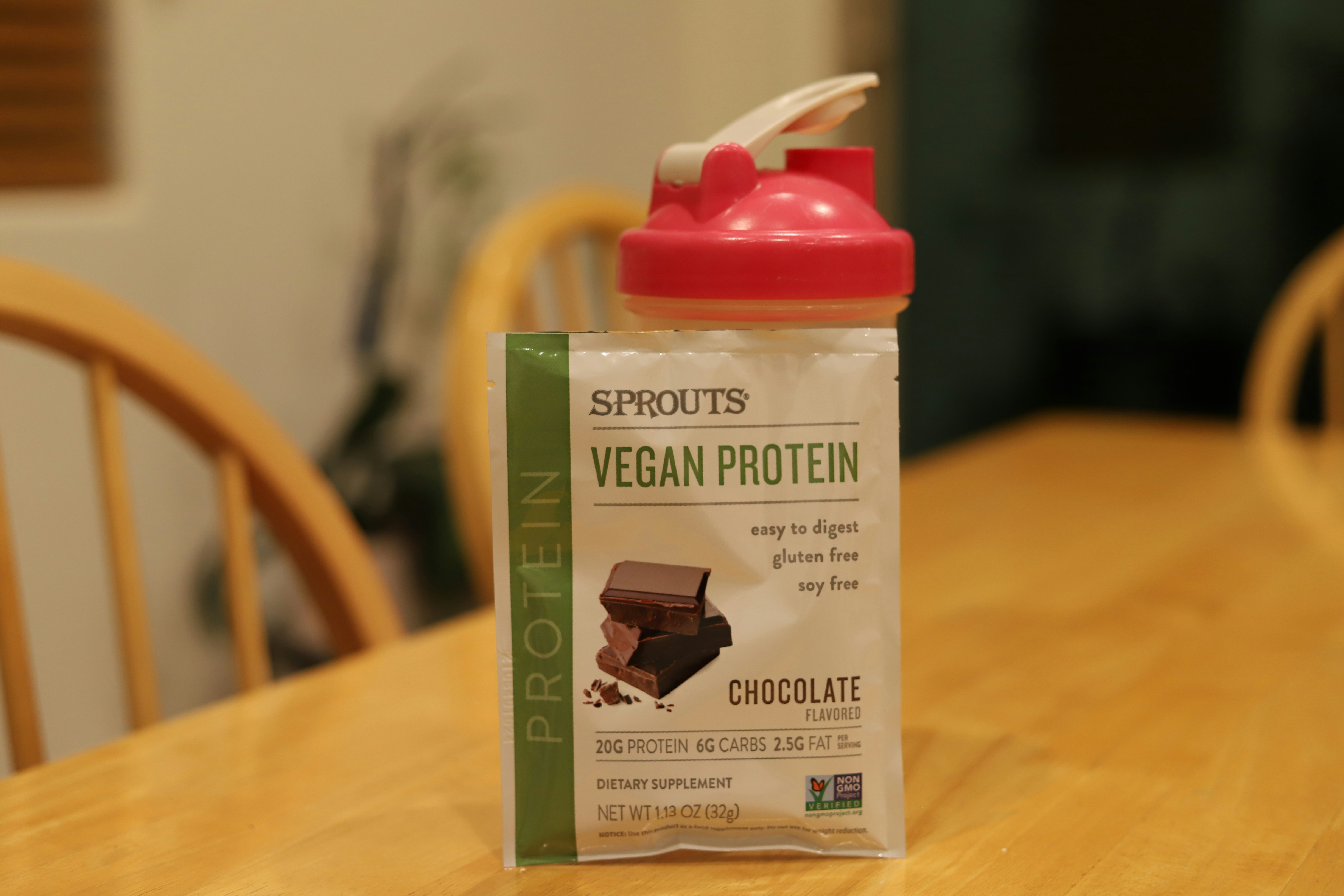
Protein supplements, including whey and plant-based protein powders, have become popular within fitness communities for their role in supporting muscle growth and recovery. Incorporating these supplements into a diet can be particularly beneficial for individuals who have increased protein needs, such as athletes and bodybuilders, or for those who may struggle to meet their protein intake through whole foods alone. Understanding when and how to use these supplements can maximize their effectiveness.
One key scenario where protein supplements can be advantageous is immediately post-workout. Consuming protein shortly after exercising aids in muscle repair and growth by supplying the necessary amino acids during a critical recovery window. Many experts recommend consuming a protein-rich shake within 30 minutes after training to replenish the body efficiently.
Additionally, for those with demanding schedules, protein powders can act as convenient, portable sources of protein. They can be mixed with liquids and consumed on the go, which can help ensure that individuals maintain their protein intake throughout the day. However, it is important to note that protein supplements should complement, rather than replace, whole food sources. Whole foods provide a wealth of vital nutrients that supplements alone cannot offer.
When choosing a protein supplement, consider the source of protein that aligns with your dietary preferences or restrictions. For instance, whey protein is a popular choice due to its complete amino acid profile and rapid absorption. Conversely, plant-based protein powders such as pea or hemp are excellent alternatives for vegans or those with lactose intolerance.
In conclusion, while protein supplements can play a significant role in supporting muscle growth, they should be strategically integrated into a balanced diet. Understanding the appropriate times to utilize protein supplements, and pairing them with nutrient-rich whole foods, can enhance overall effectiveness in achieving muscle-building goals.
Timing Your Protein Intake for Maximum Gains
The timing of protein consumption plays a pivotal role in optimizing muscle growth and recovery, particularly in relation to workout sessions. Research has shown that strategic intake of protein before and after exercise enhances muscle repair and stimulates growth. By adhering to informed timing protocols, individuals can maximize their fitness results effectively.
Pre-workout protein consumption is essential as it prepares the body for rigorous physical activity. Approximately 30 to 60 minutes before exercising, it is beneficial to ingest a meal or snack that is rich in protein. This might include options such as Greek yogurt, a protein shake, or a small serving of lean chicken. Consuming protein before a workout aids in making amino acids readily available to the muscles, thereby reducing muscle breakdown during exercise and promoting better performance.
Post-workout protein intake is equally crucial, as it directly influences muscle recovery and growth. Researchers recommend consuming protein within 30 minutes to two hours after exercising, a time known as the “anabolic window.” During this period, muscles are particularly receptive to nutrients. A protein-rich recovery meal or shake—containing around 20 to 30 grams of protein—can optimize muscle protein synthesis. Sources such as whey protein, eggs, or a plant-based alternative can be included to achieve the desired intake.
Furthermore, dividing protein intake across different meals throughout the day further complements muscle development. Consuming moderate amounts every few hours can ensure a continuous supply of amino acids, essential for growth and repair. Adopting a balanced approach to protein timing, by integrating pre- and post-workout strategies, can significantly enhance muscle recovery and overall training results.
Common Myths about Protein and Muscle Building
Muscle growth and protein consumption are often notably intertwined topics in fitness discussions. However, there exists a plethora of myths that can generate confusion regarding the actual impacts of protein on muscle building. One of the most prevalent myths is the belief that consuming high quantities of protein inevitably leads to increased muscle mass. While protein is indeed essential for muscle repair and growth, simply increasing protein intake does not guarantee enhanced muscle development. The body has a limit to how much protein it can utilize at one time, and excess consumption might not contribute to muscle synthesis as one might expect.
Another common misconception is that everyone requires the same amount of protein to support muscle growth. Factors such as age, gender, body weight, physical activity levels, and individual fitness goals significantly influence protein needs. For example, a sedentary person will not benefit from the same protein intake as an individual engaged in regular weight training. Personalized nutrition is critical, as blanket recommendations may lead to underperformance or adverse health effects.
Moreover, there’s a belief that all sources of protein are equally effective for muscle building. However, protein sourced from animal products often contains all essential amino acids that are important for muscle repair. In contrast, some plant-based proteins may lack one or more essential amino acids, requiring careful combination with other protein sources to achieve a complete amino acid profile. Therefore, understanding the types of protein consumed is essential for optimizing nutritional benefits for muscle growth.
By debunking these myths, we can better equip ourselves to formulate effective nutrition strategies that align with our unique fitness goals and needs, thereby enhancing our potential for muscle growth.
Conclusion and Practical Tips
In this blog post, we have explored various high protein foods that can significantly contribute to muscle growth. These food sources not only provide the essential building blocks for muscle repair and recovery but also support overall health and fitness goals. The foods discussed, ranging from lean meats and poultry to plant-based options such as legumes and quinoa, showcase the diversity available for those looking to enhance their protein intake.
To effectively incorporate these high protein foods into a balanced diet, consider the following practical tips. First, aim to include a source of protein in each meal. This can be as simple as adding eggs to breakfast, incorporating chicken or tofu into lunch salads, or enjoying fish or legumes at dinner. By ensuring each meal contains protein, you can better support your muscle growth and recovery.
Another effective strategy is to utilize snacks wisely. High protein snacks, such as Greek yogurt, cottage cheese, or protein bars, can provide the necessary amino acids to fuel your body throughout the day. Plan ahead by preparing snacks in advance, making it easier to reach for nutritious choices rather than processed alternatives.
Additionally, try to mix and match different protein sources to not only enjoy a variety of flavors but also to obtain a broader spectrum of nutrients. For instance, pairing beans with whole grains or mixing nuts with yogurt can enhance protein quality and further benefit muscle health.
Lastly, be mindful of your overall dietary needs, ensuring you are meeting your caloric requirements to support your fitness goals. Staying hydrated and maintaining a balanced intake of carbohydrates and fats is equally important. By integrating these high protein foods into a well-rounded diet, you can maximize your muscle growth potential while enjoying a satisfying and nutritious eating experience.