
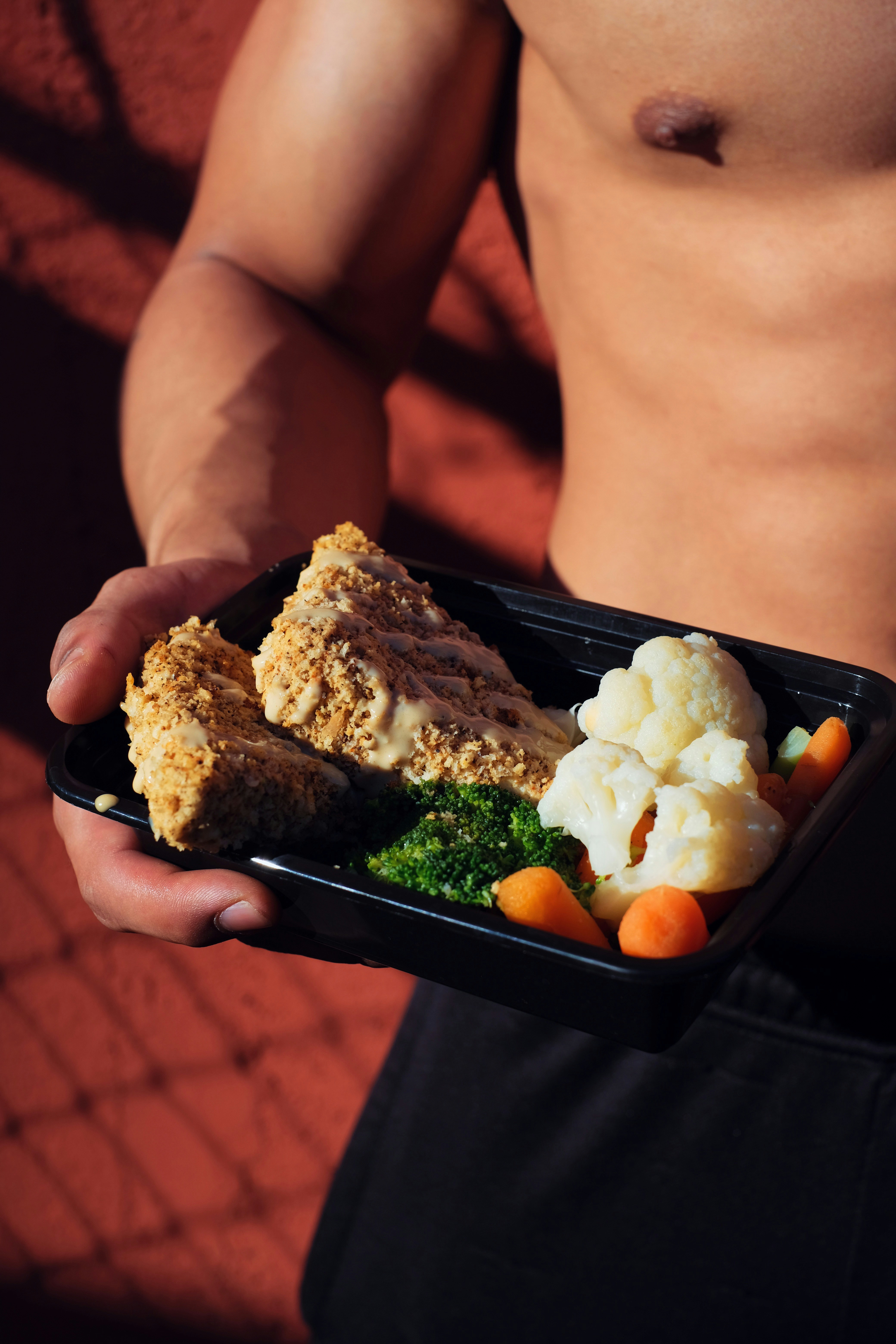
Introduction to Weight Gain for Busy Workers
For busy professionals, maintaining a healthy weight can be a challenging endeavor, particularly when the goal is weight gain. The fast-paced nature of modern work life, characterized by long hours and demanding schedules, often leaves little time for meal preparation and planning. Consequently, ensuring an adequate caloric intake becomes essential. A thoughtfully designed meal plan specifically tailored for busy workers can facilitate this process, allowing individuals to meet their weight gain goals effectively.
A meal plan that is structured and efficient is paramount for those juggling multiple responsibilities. Busy professionals typically struggle to consume enough calories throughout the day due to time constraints, which makes it imperative to focus on meals that are not only calorically dense but also nutritionally rich. This means incorporating a variety of foods that provide the necessary macronutrients and micronutrients, contributing to healthy weight gain.
Moreover, the nutrients obtained from whole foods are vital for overall health and well-being. While it might be tempting to rely on quick, calorie-laden snacks or fast food, these options often lack essential nutrients necessary for proper bodily function. Instead, busy workers should focus on incorporating a range of high-calorie yet nutritious food sources such as avocados, nuts, seeds, lean proteins, and whole grains into their meal plans.
Implementing a meal plan that accommodates the needs of busy professionals fosters consistency and helps establish healthy eating habits. By prioritizing nutrient-dense meals, those looking to gain weight can ensure they are not only meeting their caloric needs but also supporting their long-term health objectives. This strategic approach paves the way for effective weight gain without compromising nutritional integrity, enabling professionals to thrive both at work and in their personal lives.
Understanding Calorie Targets for Weight Gain
Gaining weight requires a strategic approach to nutrition, primarily through the manipulation of calorie intake. To effectively gain weight, one must consume more calories than the body expends. This concept is known as a calorie surplus, which means that the total caloric intake surpasses the total energy expenditure (TDEE).
To determine how many calories one needs to consume for weight gain, it is essential first to calculate the TDEE. TDEE is the total number of calories burned in a day and is influenced by several factors, including age, gender, weight, height, and activity level. There are various methods to estimate TDEE, but one commonly used formula is the Mifflin-St Jeor Equation. By inputting individual information into this equation, one can approximate their basal metabolic rate (BMR), which is the number of calories burned at rest.
Once BMR is calculated, it can be multiplied by an activity factor that accounts for lifestyle and exercise frequency. For example, a sedentary individual may use an activity multiplier of 1.2, while those who engage in regular strenuous exercise might use a multiplier of up to 1.9. This results in a more accurate estimation of TDEE and helps inform daily calorie needs.
To facilitate weight gain, a calorie surplus of around 250-500 calories per day is generally recommended, depending on individual goals and metabolism. This can be tailored further based on the rate of weight gain desired. Monitoring progress and adjusting calorie intake is vital, as it ensures that the approach remains effective and avoids unwanted fat gain by focusing on nutrient-dense foods that contribute positively to overall health.
Essential Macronutrient Breakdown: Protein, Carbs, and Fats
When embarking on a weight gain meal plan, understanding the roles of macronutrients—proteins, carbohydrates, and fats—becomes crucial. Each macronutrient provides energy and supports bodily functions, but they also contribute differently to weight gain and overall health. Among these, protein is paramount, especially for individuals keen on muscle growth as part of their weight gain strategy.
Protein is essential for building and repairing tissues, and it is a key player in muscle synthesis. To effectively support these processes, busy individuals aiming for weight gain should target a protein intake ranging from 1.2 to 2.2 grams per kilogram of body weight, depending on their specific activity level and goals. This protein can come from various sources, including lean meats, poultry, fish, dairy products, legumes, and plant-based proteins. Incorporating a variety ensures that one not only receives adequate protein but also benefits from a complete set of essential amino acids.
While protein is vital, balancing it with carbohydrates and fats is equally important. Carbohydrates provide the necessary energy to fuel workouts and daily activities; hence, they should account for a substantial portion of caloric intake. Complex carbohydrates, such as whole grains, fruits, and vegetables, are preferable as they offer additional nutrients and fiber, which aids digestion.
Fats should not be overlooked either. Healthy fats, found in avocados, nuts, seeds, and olive oil, contribute significantly to overall energy levels and hormone production. Incorporating both unsaturated fats and limited amounts of saturated fats can help in achieving caloric surplus needed for weight gain.
In summary, establishing a weight gain meal plan requires careful consideration of protein, carbohydrates, and fats. A balanced approach not only aids in gaining weight but also ensures nutritional adequacy, promoting better health outcomes for busy workers.
Sample Meal Plan for Busy Workers
Creating a weight gain meal plan tailored for busy individuals involves selecting meals that are not only calorie-dense but also quick to prepare or easily portable. Below is a comprehensive sample meal plan designed to meet the nutritional needs of those with a hectic schedule.
Breakfast
Start the day with a hearty breakfast that provides ample energy. A smoothie made with whole milk, banana, peanut butter, and whey protein powder can be whipped up in under five minutes. Accompany this with a slice of whole-grain toast topped with avocado and a sprinkle of salt. This combination ensures a balance of carbohydrates, healthy fats, and protein.
Mid-Morning Snack
For a mid-morning boost, consider a handful of mixed nuts alongside a piece of fruit, such as an apple or a pear. Nuts are a great source of healthy calories, while the fruit adds necessary vitamins and minerals.
Lunch
Lunch can be a quick-to-prepare meal such as a whole grain wrap filled with grilled chicken, mixed greens, cheese, and hummus. This option can be assembled in advance and stored in the fridge, making it a convenient choice for busy workers. Pair this with a side of quinoa salad, which provides additional protein and fiber.
Afternoon Snack
During the afternoon, a Greek yogurt with honey and granola can serve as a satisfying snack. This meal is calorie-dense and packed with protein, ensuring sustained energy through the workday.
Dinner
For dinner, opt for a quick stir-fry. Use lean beef or tofu, mixed vegetables, and brown rice, which can be prepared in under 30 minutes. Add a sauce such as teriyaki for flavor, ensuring you consume a nutritious and calorie-rich meal.
Evening Snack
Finally, an evening snack could include a bowl of cottage cheese topped with fruit or a protein bar. The balanced macros in these snacks can assist in meeting daily caloric goals.
Tips for Meal Prepping and Time Management
For busy workers aiming to gain weight healthily, meal prepping serves as an invaluable strategy. It not only streamlines your daily nutrition but also adheres to a structured diet plan, ensuring that calorie intake is maintained throughout the week. Here are effective meal prepping and time management tips that could greatly benefit your dietary goals.
Firstly, batch cooking is a pivotal technique in meal preparation. Designate one day, often a weekend, to prepare meals for the week ahead. This could involve cooking large portions of protein sources such as chicken, beef, or legumes, alongside a variety of grains like rice and quinoa. Once cooked, these components can be mixed and matched to form different meals, providing varieties while saving substantial time.
Furthermore, planning meals in advance is crucial. Map out a weekly plan that includes breakfast, lunch, dinner, and snacks. Having a clear roadmap will help in making strategic shopping lists and avoiding impulsive purchases. Incorporate calorie-dense foods such as avocados, nuts, and whole grains into meals to align with your weight gain objectives. This allows for a simple yet effective way to ensure nutrient diversity while maintaining the required caloric intake.
Additionally, consider quick snack options as interim energy boosters throughout the day. Healthy snacks such as Greek yogurt, protein bars, and fruit smoothies can bridge meals and further support your caloric needs. Prepare these snacks in bulk to grab on the go. Keep them readily accessible in your workplace or kitchen, minimizing the effort needed to fuel your body.
Effective meal prepping, combined with efficient time management, will contribute notably to achieving your weight gain goals while accommodating a busy work schedule.
Healthy High-Calorie Snacks for On-the-Go
For busy workers aiming to gain weight, incorporating healthy high-calorie snacks into their daily routines can be both practical and beneficial. Here are some nutritious options that are easy to prepare and transport, ensuring that you can fuel your body even on the busiest of days.
One excellent choice is nut butter packets, which are portable and rich in calories and healthy fats. Almond or peanut butter can be consumed directly or paired with whole grain crackers or apple slices for added texture and flavor. Each packet provides a concentrated source of energy, making it a perfect snack for those on the run.
Another great option is trail mix. A blend of nuts, seeds, and dried fruits not only offers a delightful mix of flavors but is also packed with calories and protein. Customizing your trail mix can be an enjoyable activity, allowing you to choose your favorite components and ensure that energy levels remain high throughout the day.
Protein bars are also a convenient high-calorie snack. Opting for bars with natural ingredients and a good balance of protein, carbohydrates, and healthy fats can contribute to weight gain while keeping you satiated during busy hours. Look for options with at least 200-300 calories per bar for maximum effectiveness.
Greek yogurt is another nutritious alternative, especially when layered with granola or fruits. Available in portable cups, Greek yogurt is rich in protein and offers a creamy texture that makes for a satisfying snack. It can also be easily consumed during meetings or commutes.
Finally, hard-boiled eggs provide an excellent source of protein and healthy fats. They can be prepared in advance and stored in the refrigerator, making them an ideal option for those needing a quick energy boost. Simply peel and pack them for a super convenient and filling snack.
Incorporating these high-calorie snack options into your daily routine can help facilitate weight gain and ensure that you maintain energy levels throughout your busy work schedule.
Hydration and Its Role in Weight Gain
Hydration plays a crucial role in the weight gain process, often overlooked by individuals focused on caloric consumption. Maintaining adequate fluid intake ensures that bodily functions operate efficiently, which is essential for optimal metabolism and digestion. When one is well-hydrated, nutrient absorption from food becomes more effective, promoting a healthier weight gain strategy.
Busy workers often face challenges in staying hydrated throughout the day, particularly when their schedules are tight. Here are some practical recommendations to enhance hydration: firstly, carry a reusable water bottle. Keeping water readily available helps to serve as a constant reminder to drink. Additionally, setting regular reminders on smartphones can enhance one’s chance of sticking to a hydration plan. For those engaged in physical activities or labor-intensive jobs, it’s crucial to increase fluid intake, especially in warmer environments.
Incorporating calorie-rich beverages into your routine can significantly enhance caloric intake while supporting hydration. Smoothies made from fruits, vegetables, and nut butters are an excellent option; these drinks not only provide hydration but also contribute substantial calories. Additionally, whole milk, protein shakes, and even certain juices can serve as hydrating beverages that promote weight gain. For instance, smoothies with added fats, such as avocado or coconut oil, can further enhance caloric density without sacrificing hydration levels.
Furthermore, consider herbal teas or flavored water as alternatives to plain water. These options can stimulate hydration and provide an enjoyable variety to your fluid intake. In conclusion, understanding the relationship between hydration and weight gain allows one to enhance their dietary strategies effectively, ensuring better health outcomes amidst busy work schedules.
Adjusting Your Meal Plan Based on Progress
For busy workers aiming to gain weight, it is crucial to regularly assess progress and make necessary adjustments to the meal plan. Monitoring changes in weight is not solely about tracking numbers on a scale; it also involves evaluating various health indicators. Keeping this in perspective enables one to ensure that weight gain is healthy and sustainable.
One effective way to monitor progress is by maintaining a food diary. Recording daily meals can help busy individuals identify patterns in their eating habits and meal timing. This documentation may reveal whether caloric intake aligns with weight gain goals or if certain meals could be fortified with additional calories. In addition to tracking caloric intake, individuals should note changes in body measurements, such as waist circumference, to better understand how their body responds to the meal plan.
Regular weigh-ins are another essential component of monitoring progress. Busy workers should consider weighing themselves at the same time each week, ideally in the morning after waking and before eating. Keeping track of weight fluctuations can provide valuable insights into whether the meal plan effectively supports weight gain objectives. If weight gain has plateaued, evaluating both caloric intake and nutrient quality becomes vital. It is important to ensure that the meal plan includes nutrient-dense foods, particularly those rich in protein, healthy fats, and carbohydrates.
Additionally, consulting with a healthcare professional or nutritionist can provide personalized recommendations tailored to individual progress. These experts can suggest modifications to the meal plan based on health indicators such as energy levels, muscle mass, and overall well-being. By remaining vigilant and making adjustments when necessary, busy workers can effectively navigate the journey of weight gain while maintaining overall health.
Frequently Asked Questions (FAQs) about Weight Gain Meal Plans
Weight gain meal plans are often tailored for individuals whose busy schedules prevent them from consistently achieving their caloric needs. Below are some common questions regarding dietary choices, meal preparation, and modifications necessary for effective weight gain.
1. What types of snacks can I include in my weight gain meal plan?
To support weight gain, snacks should be energy-dense and nutritious. Options include nut butters, trail mix that incorporates nuts and dried fruits, cheese and whole-grain crackers, yogurt, or smoothies made with fruits, protein powder, and oats. These snacks not only provide essential calories but also contribute valuable nutrients.
2. How can I prepare meals efficiently during my busy workweek?
Meal prepping is key for busy workers. Dedicate time on weekends to prepare meals in advance. You can batch cook items such as grains, proteins, and roasted vegetables, dividing them into containers for easy access during the week. Additionally, utilizing slow cookers or instant pots can help in preparing meals with minimal ongoing effort.
3. How do I know if I’m consuming enough calories for weight gain?
To effectively monitor calorie intake, it is beneficial to utilize a food diary or calorie-tracking app. Begin by calculating your basal metabolic rate (BMR) to determine maintenance calories and then increase your intake by 300-500 calories daily to facilitate weight gain. Regularly assessing weight and adjusting food portions is advisable to ensure sustainable progress.
4. Are there any specific foods I should prioritize in my meal plan?
Incorporating whole foods that are rich in healthy fats, lean proteins, and complex carbohydrates is essential. Foods such as avocados, fatty fish, whole grains, legumes, and dairy products are particularly beneficial. Focusing on these nutritional components will provide not just calories but also the necessary vitamins and minerals for overall health.
5. Can I adapt my meal plan for different dietary restrictions?
Absolutely. Weight gain meal plans can be modified to accommodate various dietary preferences like vegetarianism or gluten intolerance. By selecting appropriate substitutes such as plant-based proteins and gluten-free grains, individuals can create a calorically sufficient diet that aligns with their personal needs.